Sewage Mold Remediation in Far South, NE
Mold and unsalvageable sewage-soaked materials are removed from floors, walls and basements in Far South. Call 24/7 to start your backup assessment and cleanup.
- Sewage source assessed first
- Containment and HEPA filtration
- Removal, cleaning and drying
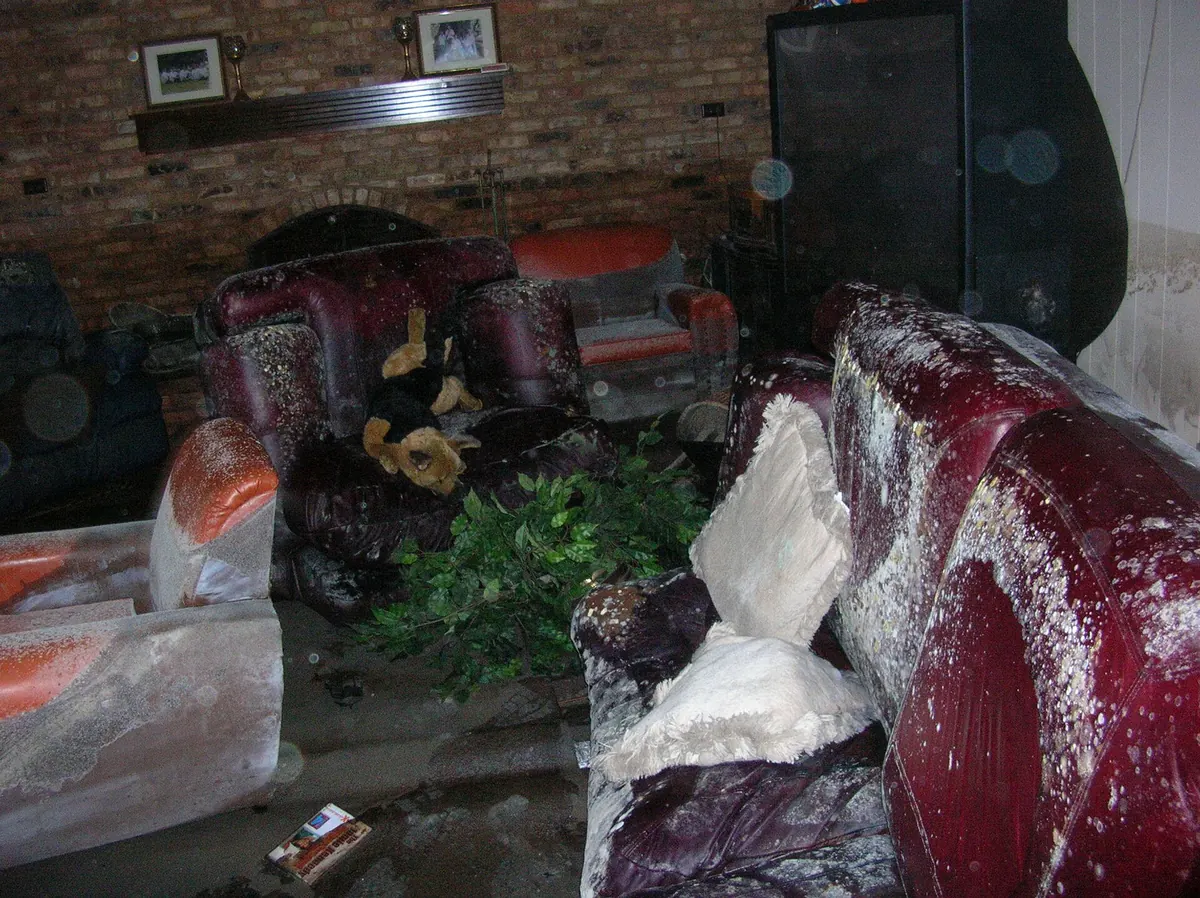
Sewage Mold Remediation Services in Far South
Your mold cleanup takes out contaminated materials and growth left by drain or sewer backups or toilet overflows. Before removal begins, basement spaces, wall cavities and flooring are checked.
Your sound framing receives a structural drying assessment, and non-porous surfaces within reach receive cleaning. Inspections also cover layers hidden under wet floors. Sewage-soaked carpet and ruined wet drywall come out inside containment.
A written work scope details how your water extraction, removal and cleaning proceed, including disinfection and drying. Plumbing correction appears separately from cleanup, as do replacement finishes, to avoid covering unresolved damage with new materials.
- Sewer and drain backup assessment
- Contaminated carpet and drywall removal
- Floor cavities and framing checks
- Contained cleaning and HEPA filtration
- Drying and final condition checks
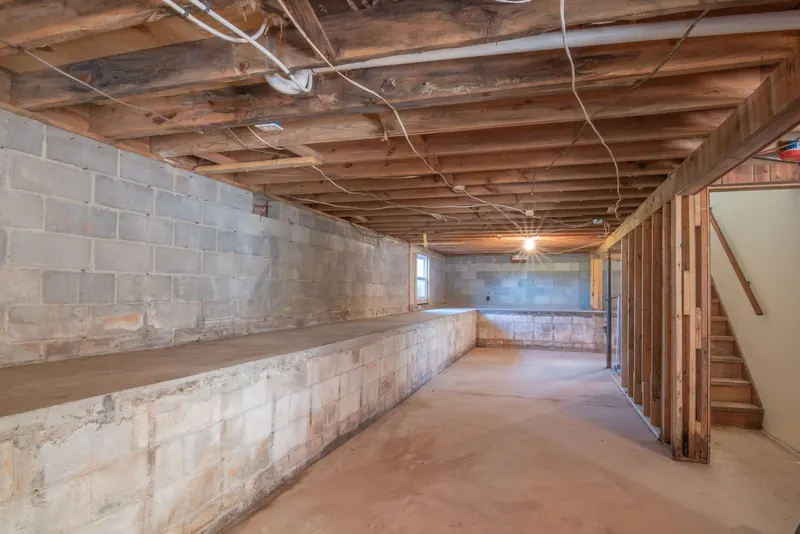
When Your Lancaster County Property Needs Sewage Mold Cleanup
Your backup needs assessment for damp finishes, odor or growth, whether or not standing water remains.
Musty Odor Around Your Floor Drain
Your drain backup needs source and material checks if nearby dampness accompanies a smell that persists.
Mold After Sewage Backup
Growth appears along your baseboards, lower walls or floor edges after contaminated water recedes.
Sewage Beneath Finished Flooring
Hidden contamination may be indicated by moisture at seams, flooring that buckles or trim that swells.
Wet Walls After a Toilet Overflow
Wet carpet beyond your bathroom or softness at wall bases can indicate a larger affected area.
Growth After Earlier Water Extraction
Materials retained after water extraction develop spots, particularly near basement walls or behind your furniture.
How Sewage Mold Cleanup Works Across Greater Lincoln
Source checks start your cleanup. Contained removal follows, then cleaning and drying before final checks.
Sewage and Moisture Assessment
Your water path is inspected. Your moisture mapping relies on a moisture meter, while a thermal imaging camera helps target checks but cannot detect mold.
Source Correction and Scope
A check of the sewer, septic or drain fault establishes which plumbing repairs are needed. Before work begins, your scope defines where removal stops and where access is restricted.
Containment and Water Extraction
Your containment barrier uses poly sheeting. Negative air pressure and a HEPA air scrubber support particle control as standing contaminated water is extracted.
Contaminated Material Removal
Sewage-soaked carpet, insulation and unsalvageable drywall are bagged inside containment. You can assess concealed layers under floors and inside walls after removal exposes them.
Surface Cleaning and Disinfection
Cleanable surfaces receive cleaning and specified disinfection. A HEPA vacuum removes dry debris; antimicrobial treatment does not replace contaminated material removal.
Controlled Structural Drying
After removal and cleaning finish, a dehumidifier works alongside air movers to aid drying. Track moisture in remaining cavities, framing and subfloors through moisture readings.
Final Checks and Reopening
Containment removal follows cleaning, drying and post-remediation verification. An independent assessor performs specified clearance testing before replacement materials close cavities.
Why Choose Lincoln Mold Removal Services for Sewage Mold Remediation
Clear Scope Before Work
You receive an explanation before work of extraction, drying and cleaning, plus separate finish or plumbing repairs.
Contained Sewage Removal
Containment around your work area pairs with HEPA filtration to restrict particles from spreading during removal.
Calls Answered 24/7
One number starts your sewage cleanup across the metro, including nights and weekends.
Sewage Source First
Your assessment traces the backup and affected materials before the removal scope is set.
Cleaning Through Final Checks
Before taking down containment, concealed layers are opened and the cleaning and drying work is checked.
Sewage Cleanup in Far South: What to Do Before Work Begins
Keep clear of the contaminated area and call to arrange your assessment.
- Keep people and pets away. Keep your clean rooms clear of sewage-soaked possessions.
- Avoid standing water. Avoid electrical equipment, outlets and wiring that are wet.
- Stop using affected fixtures. Further use can add water before the backup source is corrected.
- Leave materials undisturbed. Leave contaminated carpet down, keep brushes off growth and do not cut wet drywall.
- Avoid spreading particles. Do not aim fans at mold or run suspected contaminated HVAC equipment.
Far South Sewage Mold Cleanup Cost
Your sewage cleanup price varies with access, affected materials and contamination. Published costs describe separate parts of the work; extracting black water alone does not cover full mold cleanup or rebuilding.
Contaminated water cleanup, average
$7.50 per square footSource: Servpro, Sewer Backup Cost (checked 2026-10-23)Sewer backup cleanup and restoration
$2,000 to $10,000 per jobSource: Servpro, Sewer Backup Cost (checked 2026-10-23)Black water extraction
$7 to $7.50 per square footSource: Fixr, Water Damage Restoration Cost (checked 2026-10-23)Factors Affecting Sewage Cleanup Cost in Far South
- Disinfection and drying
- Affected square footage and spill depth
- Repair of the sewer line itself
- Discarding porous materials that cannot stay
- Contaminated water category
The Price of Your Sewage Cleanup
These published national ranges are planning figures. Your on-site assessment defines the work and price before cleanup starts, including any separate source repairs or rebuilding.
Call (844) 352-3560 about costSewage Mold Remediation Service Area Across Greater Lincoln
Call (844) 352-3560 to arrange cleanup in Far South or nearby communities. One number covers the metro.
ZIP codes
What People Ask About Sewage Mold Remediation in Far South
Will your sewer or drain fault get corrected as well?
Your backup cause is examined, with required corrective work defined together with cleanup. Drain clearing, sewer repair and septic work are included only when listed in your scope. You identify separate plumbing work before starting. Before clean finishes return, affected materials must pass the concluding checks and the moisture problem must be corrected.
In Far South, how long should you allow for sewage mold cleanup?
Assessment of access, affected materials and the route water took determines your schedule. You face different work for removing carpet than for opening floors with layers or cavities inside walls. Your drying depends on moisture readings. Replacement finishes, source repairs and concluding checks also influence when your rooms become usable again.
Should mold testing happen before or after you remove sewage?
Air sampling is often unnecessary for visible mold, according to EPA guidance. Beyond the visible patch, inspection tracks where moisture and contamination extend. An independent assessor conducts specified clearance testing following cleaning and drying. A mold sample alone does not establish that sewage contamination has been addressed, and there is no federal limit for indoor mold levels.
What does sewage cleanup cost in Lancaster County?
Your cost is determined after an on-site check of drying needs, the contaminated area and layers of material. The cost cards published above list the units and sources used. Extraction, full cleanup and restoration cover different work. These tasks, along with any rebuilding or sewer repairs, are separated in your scope before pricing is agreed.
Can you stay home during sewage cleanup?
Staying home depends on whether clean living areas, working bathrooms and an access route remain separate from the contamination. Before removal begins, your assessment defines the restrictions. This decision depends partly on how far the backup extends, ventilation shared between areas and household requirements. You may need to stay somewhere else on jobs where work and required repairs must finish first.
After sewer backup cleanup, could you see mold again?
Remaining moisture or an unresolved backup cause can allow mold to come back. As part of your cleanup, affected building layers and the drain, septic or sewer problem are assessed. Before repairs enclose surfaces, contaminated materials come out where necessary and retained surfaces undergo cleaning and drying. Correcting your source helps stop recurring water intrusion.
What must you remove from floors affected by sewage?
You may need to remove sewage-soaked carpet, pad and insulation, plus damaged drywall. Sound tile or fixtures may be cleaned, but the joints and materials beneath them are assessed too. The extent of contamination and damage sets your removal boundary. Where effective cleaning and drying are possible given its condition, wood framing may stay.
Your Nebraska Insurance and Sewage Cleanup
Homeowners insurance coverage depends on the cause, policy terms, water-backup coverage, mold coverage limits and deductible. Cleanup, plumbing repairs and rebuilding may receive different coverage decisions.
Sewage Mold in Greater Lincoln: Safety for Your Cleanup
You need professional sewage cleanup even if you can only see a small patch of mold.
Particle Control
Using HEPA filtration alongside containment restricts mold spores from spreading while removal proceeds.
Concealed Contamination
A floor finish that appears clean tells you nothing certain about cleanliness underneath.
Contaminated Belongings
Assessment of affected furniture, fabrics and boxes precedes movement through your clean spaces.
Sewage Exposure
The water source determines protective equipment and cleaning precautions.
Cleanup scope: EPA small-area guidance for about 10 square feet does not make sewage cleanup a homeowner project. Get professional help for mold from sewage or from contaminated water.
Your Lancaster County Sewage-Damaged Materials
The scope for your removal work lists what cannot be salvaged and which surfaces can be cleaned.
Non-porous surfaces
- Undamaged tile, metal and glass undergo cleaning, with checks of the material underneath.
Porous materials
- You may need to discard sewage-soaked insulation, carpet and pad along with damaged drywall.
Wood framing and subfloor
- You may clean and dry sound wood, but decay or contamination beyond reach may make removal necessary.
Your Sewage Cleanup Schedule in Lancaster County
Your schedule follows source correction, removal, drying and the repairs needed to use the space again.
- Access: Removal may require more time when floors have layers or walls have cavities.
- Drying: Readiness for repairs depends on moisture readings from your remaining materials.
- Reopening: When you can use your rooms again depends on final checks and replacement finishes.
Sewage Odor and Humidity in Lancaster County
Checks for your persistent smell cover moisture, drains and affected materials. The backup source and contamination remain even when fragrance is used.
EPA advises a relative humidity level indoors of less than 60 percent and an ideal range of 30 to 50 percent. You can control humidity through dehumidification, but still need source repair.
Sewage Cleanup Requirements in Nebraska
Sewage Work Requirements
Nebraska does not license the mold industry, and a state mold fact sheet says the state sets no specific training or procedure for mold cleanup. It is worth asking any contractor about their training and checking local contractor rules.
EPA Drying Guidance
EPA recommends drying water-damaged areas and items within 24 to 48 hours to prevent mold growth.
Repair Permits
Included building, plumbing and electrical work determines the permit requirements for your project.
State Mold Information
The Nebraska Department of Water, Energy, and Environment publishes a mold fact sheet through its Indoor Air Quality Program, with plain advice on moisture control, testing, and cleanup.
State guidance: Nebraska Department of Water, Energy, and Environment, Is Mold Affecting Your Health? (Form WAT323 page); Nebraska DWEE, WAT323 mold fact sheet (PDF); Nebraska Real Estate Commission, Seller Property Condition Disclosure Statement and 76-2,120 (PDF); Nebraska Real Estate Commission, Landlord and Tenant statutes list (PDF, updated March 2026)
Related Services and Next Steps
Start Your Sewage Mold Remediation in Far South
Call 24/7 to arrange your assessment. Your cleanup starts with the affected surfaces, moisture source and access to your home.